


Apple has long managed to make its price increases feel almost polished. A new design, a faster chip, a brighter display, a camera feature that makes people want to try the device the moment it comes out of the box. This time, the explanation is far less glamorous: prices are going up because memory has become much more expensive.
Tim Cook’s confirmation changes the way we read the market. This is no longer just the usual rumor cycle before the next iPhones arrive. Apple is acknowledging that pressure on DRAM and storage is becoming too strong to absorb internally. Put simply: part of that bill will end up with the buyer.
Why memory is getting so expensive
The real culprit is not the iPhone, or even the MacBook. The biggest component vacuum right now is artificial intelligence. AI data centers consume huge amounts of high-performance memory, especially HBM, which is used in servers and AI accelerators.
The problem is that memory manufacturers cannot produce everything, for everyone, at the same pace. When Samsung, SK Hynix, or Micron shift part of their capacity toward the most profitable AI components, the more conventional memory used in computers, tablets, and smartphones becomes tighter. And when supply tightens, prices rise.
Apple is especially exposed because its products rely heavily on integrated memory. On Apple Silicon Macs, unified memory is part of the experience: smooth performance, energy efficiency, less friction between CPU and GPU. Great for users. Much less comfortable when component prices start climbing.
Mac, iPad, iPhone: who will pay the most?
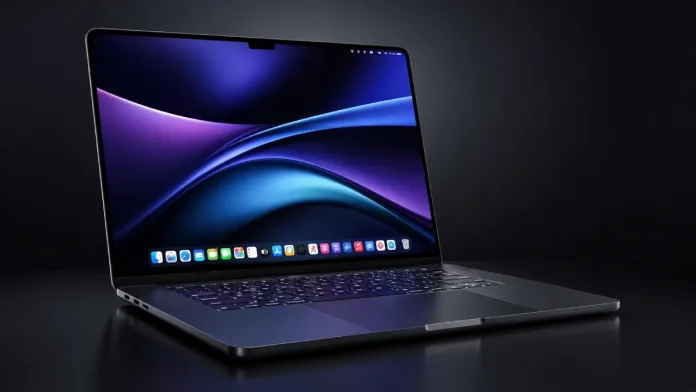
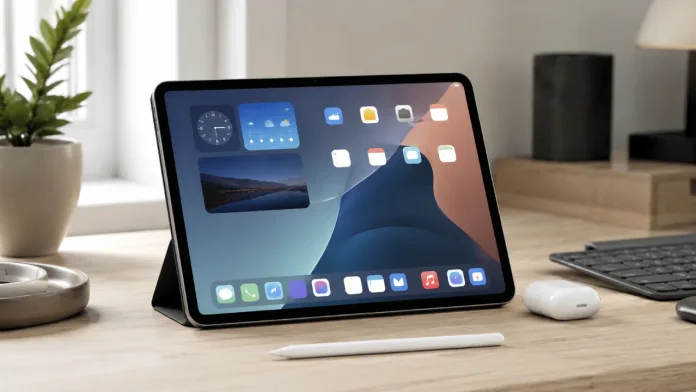
The first products likely to be affected are Macs and iPads, simply because they include more memory and storage than simpler devices in Apple’s catalog. The increases already seen on certain models point in a clear direction: Apple would rather raise starting prices, or adjust entry-level configurations, than cut too aggressively into its margins.
The iPhone is the most delicate case. Apple knows very well that a visible price increase on its flagship product can change public perception. A more expensive MacBook is annoying. An iPhone Pro that climbs sharply sends a much stronger signal, especially in a market where premium smartphones are already expensive.
My feeling is that Apple will try to smooth out the impact. We may see adjustments based on storage tiers, bigger gaps between standard and Pro models, or less generous base configurations. It is a familiar mechanism: the displayed starting price remains acceptable, but the model people actually want costs more.
Apple’s paradox: selling AI, then paying its price
There is something quite ironic about this situation. Apple is now pushing its AI features more seriously, even if it does so in its own way, with more controlled language and less spectacle than some rivals. Yet the explosion of AI on the server side is now making the components needed for Apple’s own devices more expensive.
Consumers end up in a strange position: they are indirectly paying for the global AI race, even if they do not necessarily use advanced AI features every day. Buying an iPad to watch shows, take notes, or manage emails could become more expensive because cloud giants are filling data centers with specialized chips.

This is where the marketing message becomes tricky. Apple can explain that costs are rising, but the brand is still associated with high margins and a premium positioning. People may accept a moderate increase. A very visible jump would be much harder to digest.
Apple is already looking for solutions
Apple is obviously not standing still. The company can renegotiate with suppliers, secure long-term volumes, diversify its supply chain, or rethink certain configurations. Discussions around Chinese suppliers also show that Cupertino is exploring every possible option to reduce pressure.
But this kind of crisis cannot be solved in a few weeks. Building new semiconductor production capacity takes time. And as long as AI keeps absorbing so much memory, consumer products will remain in competition with the most profitable servers on the market.
Final thoughts
This Apple price increase is not just a random pricing move. It says something bigger: consumer hardware is entering a phase where AI does not merely add features, it also reshapes the economics of components.
For Apple, the challenge will be to protect its premium image without giving users the feeling that they are paying twice: first for the device, then for an AI revolution whose concrete benefits are not always obvious. And frankly, that may be the most sensitive point. Customers can accept paying more for a real innovation. They are much less patient when the reason is a shortage they did not choose.
FAQ
Why is Apple raising its prices?
Apple is facing a sharp increase in the cost of DRAM and storage, driven by massive demand from AI data centers.
Which Apple products are most affected?
Macs and iPads are the first products likely to be affected, because they use more memory and storage. The iPhone could follow with future generations.
Is AI really responsible?
Largely, yes. AI servers consume huge amounts of high-performance memory, reducing availability for consumer products.
Will prices come back down soon?
That seems unlikely in the short term. The memory market should remain tight as long as AI-related demand stays this strong.

I'm Clémentine Pithon, and as a technology enthusiast, I write articles to guide you through the world of refurbished devices. My goal is simple: to help you make informed choices, understand the products, and get the most out of them every day. Tips, explanations, and practical advice are at the heart of my articles.