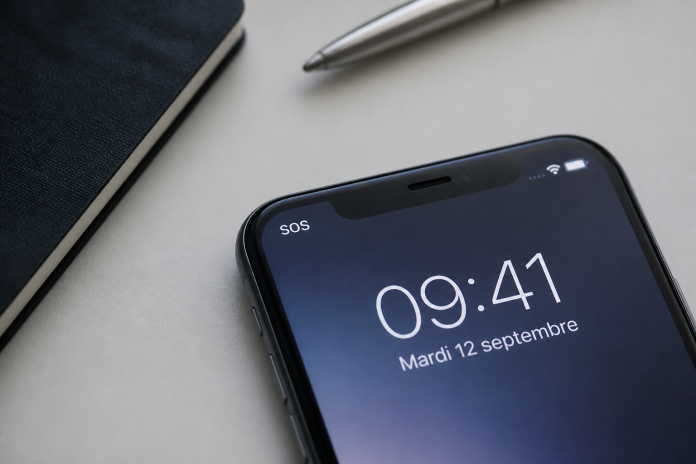



Apple has reportedly asked some suppliers to reduce component production for the iPhone 18 Pro and iPhone 18 Pro Max. According to supply-chain sources cited by Nikkei Asia, these adjustments follow weaker-than-expected demand. Higher prices are among the explanations offered by those sources.
These are anonymous accounts from the supply chain, not sales figures published by Apple. They describe orders placed with certain partners at a particular time and cannot, on their own, establish changes in overall production or consumer purchases.
Reduced orders for October
According to Nikkei Asia, Apple reportedly became more cautious in its shipment forecasts from early September. Two sources cited by the outlet say component orders for October were reduced by at least 15% compared with the quantities initially requested.
One executive interviewed described a reduction of 15% to 20% in October for both Pro models. These figures concern component orders: they do not necessarily correspond to an equivalent decline in the number of iPhones assembled or sold. According to the report, some suppliers could see their production volumes affected as early as October, while others could be affected differently because of varying manufacturing lead times.
What happens next remains uncertain. The sources do not know whether Apple will make further adjustments from November onward. The report therefore describes a reported reduction for October but does not establish that a production decline will continue in the following months.
Sources point to the price increase
Apple raised the price of each Pro model by $100 compared with its predecessor, according to the details reported by 9to5Mac. Nikkei Asia’s sources believe the increase may have dampened demand. That link remains their assessment: the available information does not establish the precise role of price in purchasing decisions.
Weaker demand would not, by itself, necessarily mean an immediate fall in Apple’s revenue. As the report notes, a higher price could lessen the effect of fewer sales on revenue. It would be premature, however, to quantify any such offset from the component orders alone.
The launch schedule is also part of the analysis
A supply-chain executive cited by Nikkei Asia considers demand less robust than in years when all new iPhone models arrived together. This comparison relates to the schedule described in the report: the standard iPhone 18 would not be released until the following spring, unlike the Pro models already covered by the October orders.
The suppliers interviewed nevertheless believe that the staggered launch alone does not explain the demand they are seeing. The report does not establish the respective influence of the schedule and prices. It also says one source expects a similar outcome for the iPhone Duo after its release. That is an individual forecast; no order reduction has been established for that model.
What financial results could clarify
According to 9to5Mac, Apple is due to report its fiscal fourth-quarter 2026 results on November 6, 2026. That release could provide an initial indication of the first weeks of iPhone 18 Pro and Pro Max sales.

It will not necessarily confirm the percentages cited by suppliers: component orders and financial results do not measure the same thing. It could nevertheless help assess whether higher prices lessen the effect of potentially more moderate demand on Apple’s revenue.
FAQ
Has Apple confirmed these reductions?
The available information does not include confirmation from Apple. The reported reductions are based on anonymous sources cited by Nikkei Asia.
What do the 15% to 20% figures represent?
According to the report’s sources, they refer to reductions in component orders for October compared with initial requests. They are not sales figures.
Are further reductions planned for November?
The report does not say. The cited sources do not know whether Apple will change its orders again from November onward.
Final considerations
The information reported by Nikkei Asia describes an adjustment to component orders for October against a backdrop of higher prices. It relies on anonymous accounts and does not directly measure sales of the two Pro models. The extent of any further adjustments from November onward remains unknown.

I'm Clémentine Pithon, and as a technology enthusiast, I write articles to guide you through the world of refurbished devices. My goal is simple: to help you make informed choices, understand the products, and get the most out of them every day. Tips, explanations, and practical advice are at the heart of my articles.