There’s something a bit irrational about the iPhone 12 mini. Even in 2026, you just pick it up and instantly remember why Apple gave it a real shot: a proper “flagship” iPhone that actually fits in your pocket, light, snappy, with an OLED display that never feels like the “small, compromised” option.
The real issue is context. In 2026 the refurbished market is massive and far more trustworthy than it used to be, newer iPhones have moved on to USB-C, and iOS has leaned harder into “AI-ish” features that aren’t for everyone (and definitely not for every device). So… buying an iPhone 12 mini today: smart move, or nostalgia trap?
- 1 Why the 12 mini is still a weirdly special phone (even in 2026)
- 2 What still matters in the specs (and what feels dated now)
- 3 iOS 26: good news… but not the whole story
- 4 Performance in 2026: still “smooth” if you’re realistic
- 5 Battery life: the sensitive point (and we should be honest about it)
- 6 Camera and video: “really good” in daylight, more limited at night
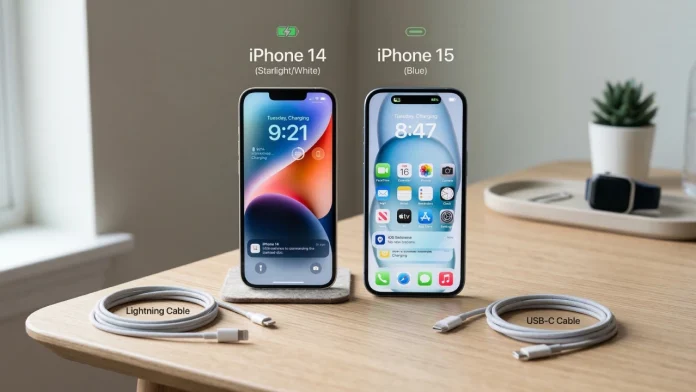
- 7 Lightning in 2026: not a disaster, but you need to accept it
- 8 Price in 2026: this is where it gets genuinely compelling
- 9 Refurbished iPhone 12 mini on CertiDeal: what we really mean when we say “reliable”
- 10 Who it makes sense for in 2026 (and who should skip it)
- 11 FAQ iPhone 12 mini in 2026
- 12 Final thoughts
Why the 12 mini is still a weirdly special phone (even in 2026)
The 12 mini is basically the last of its kind: a compact smartphone that wasn’t designed as a budget compromise. At 133 g and with a genuinely one-hand-friendly shape, it still hits a demand I hear all the time: “I want a phone I can use with one hand without doing thumb gymnastics.” Apple also brought back the flat-edge design, glass back, aluminum frame, and the Ceramic Shield on the front (not magic, but it has aged pretty well against everyday wear).
In 2026 this size is a niche… but it’s a real one. If you never bought into the giant-phone era, the 12 mini still has real pull.
What still matters in the specs (and what feels dated now)
On paper, the iPhone 12 mini isn’t embarrassing at all:
- 5.4″ Super Retina XDR OLED (2340 × 1080, 476 ppi), 625 nits typical, 1200 nits HDR peak
- A14 Bionic (6-core CPU, 16-core Neural Engine)
- Dual 12 MP cameras (wide ƒ/1.6 + ultra-wide) with Night mode, Deep Fusion, Smart HDR 3
- Sub-6 GHz 5G, Wi-Fi 6, Bluetooth 5.0
- MagSafe up to 15 W + Qi 7.5 W
- IP68 (up to 6 m for 30 min)
Where 2026 catches up with it is in the little things that add up day-to-day:
- Lightning port (when you’ve got USB-C everywhere)
- Battery life (this is the big one)
- 64 GB base storage (can feel tight in 2026, especially if you shoot video)
iOS 26: good news… but not the whole story
Here’s the reassuring bit: the iPhone 12 mini officially supports iOS 26. Apple includes it in the compatible models list.
That matters a lot. In 2026, buying an iPhone that’s off the update train is the fastest way to regret your purchase within months. With the 12 mini, you’re still in.
But there’s a “yeah, however”.
Apple’s AI features aren’t for the 12 mini
Some “Apple Intelligence” features (the headline stuff and the things that will likely become more baked into iOS over time) require newer hardware. Apple’s messaging here is pretty clear: it’s limited to iPhone 15 Pro and iPhone 16 (and newer).
So in 2026, the iPhone 12 mini looks like this:
- iOS 26: yes
- Apple Intelligence: no
Is that a dealbreaker? Depends on you. If you want a compact iPhone for iMessage, WhatsApp, photos, maps, streaming, light work… honestly, you’ll be fine. If you want the full Apple AI experience, this isn’t your entry point.
Performance in 2026: still “smooth” if you’re realistic
The A14 Bionic was powerful from day one, and Apple is unusually good at getting long life out of older chips. In normal use, the 12 mini still feels fast, especially if you buy one with a healthy battery and don’t drown it in background chaos.
Where you’ll notice the gap versus newer iPhones:
- heavy gaming (especially over time: heat + battery drain)
- serious video editing
- modern computational photography (newer iPhones have improved a lot, plus many have a telephoto lens—this one doesn’t)
For everyday life (messaging, browsing, email, video, casual photos), it’s still a very solid phone.
Battery life: the sensitive point (and we should be honest about it)
Apple originally rated it at up to 15 hours of video playback (10 hours streaming) and 50 hours audio. On a brand-new unit back in 2020, it was already “fine, not amazing.” In 2026, most iPhone 12 minis on the market have naturally aged batteries—cycles, time, heat, the usual.
This is where a lot of purchases go wrong: a cheap 12 mini with a worn battery can become annoying, even if everything else is great.
The good news: a battery replacement can be the best money you spend
If you buy refurbished, some sellers offer “new battery” units or guarantee a minimum battery health percentage. Otherwise, you can simply plan for a replacement.
And here’s the bigger point: in many European markets, repair has become more normalized and sometimes incentivized. The practical takeaway is simple: a fresh battery completely changes the 12 mini experience.
Camera and video: “really good” in daylight, more limited at night
The wide + ultra-wide 12 MP setup still holds up. You get Night mode, Deep Fusion, Smart HDR 3, and on the video side it shoots 4K HDR Dolby Vision up to 30 fps.
In 2026, that translates to:
- daylight photos: strong
- ultra-wide: fun, but weaker in low light
- zoom: limited (no telephoto)
- video: still very clean, especially for social content and everyday memories
If you’re coming from an older iPhone (8, XR, older SE), it’ll feel like a real upgrade. If you’re coming from a newer iPhone, you’ll mostly notice what’s missing: telephoto reach, more advanced night processing, sometimes better stabilization.
Lightning in 2026: not a disaster, but you need to accept it
Lightning is the detail that annoys people now because:
- you probably have USB-C cables everywhere
- modern accessories increasingly assume USB-C
That said, MagSafe helps a lot. The 12 mini supports MagSafe up to 15 W (and Qi 7.5 W). If I were using one in 2026, my setup would be: MagSafe at home and the desk, Lightning as backup.
Price in 2026: this is where it gets genuinely compelling
This is the strongest pro-12 mini argument: it’s become affordable.
Across major refurbished marketplaces, the iPhone 12 mini often shows up around €170–€200, depending on storage and condition. Sometimes higher for “premium” grading or guaranteed battery condition.
At that point, the question stops being “do I want the latest iPhone?” and becomes “do I want a compact, premium-feeling iPhone that still gets updates, for under €200?”
The trap: 64 GB can cost you “more” in daily frustration
The cheapest listings are usually 64 GB, and it’s tempting… until you realize:
- iOS + caches + photos + apps grow quickly
- a little 4K video recording and you’re constantly cleaning storage
In 2026, if you can, aim for 128 GB minimum. It saves you from so many small annoyances.
Refurbished iPhone 12 mini on CertiDeal: what we really mean when we say “reliable”
When we talk about the iPhone 12 mini in 2026, the question isn’t just “is it still fast?”. The real issue is avoiding the 12 mini that’s had a rough life behind it: a worn-out battery, unreliable Face ID, tired charging ports… basically, the kind of purchase that looks like a bargain on paper but becomes a daily headache.
On our side, the idea is simple: reduce the luck factor as much as possible. Refurbishment is done in-house, with a full set of tests and checks covering the display, cameras and sensors, plus connectivity, audio, and charging… all the way down to the smaller details that end up making a big difference after a couple of weeks of real use. If a component doesn’t meet standards, it’s replaced before the device goes on sale. The goal is to deliver a phone that stays stable over time and can realistically last you for years.
And of course, with the 12 mini, battery health is the most sensitive point. We guarantee a minimum capacity threshold depending on the condition you choose (at least 85% for the Premium grade, at least 80% for the other cosmetic grades), because a compact phone with a “cooked” battery almost always means returns or frustration. For those who want zero doubts from day one, there’s also a new battery option, installed by our technicians: it’s often what truly “transforms” the 12 mini into a reliable little daily driver.
Finally, there’s our Guarantee: 21 days to change your mind, and 24 months of warranty. In other words, you can test the mini format in your real life (commuting, work, nights out, GPS, photos) instead of relying on a five-minute first impression.
All of that comes with the advantage that explains why this model is still in demand: up to 70% cheaper than buying new, for a compact iPhone that still does the job really well in 2026. So honestly—take a look at all our refurbished iPhone 12 mini deals.
Who it makes sense for in 2026 (and who should skip it)
Let’s be direct.
Yes, I’d recommend it if…
- you want a compact iPhone without “budget phone” vibes
- you’re shopping around €150–€250
- you use your phone normally: messages, social, photos, maps, music, streaming
- you’re okay with replacing the battery if needed
I’d avoid it if…
- you really want Apple Intelligence
- you need strong all-day battery (long day + evening without thinking)
- you hate Lightning and want one USB-C cable for everything
- you shoot lots of 4K video and want stress-free storage (especially with 64 GB)
FAQ iPhone 12 mini in 2026
Does the iPhone 12 mini still get updates in 2026?
Yes. It’s officially compatible with iOS 26.
Will it get Apple Intelligence features?
No. Apple Intelligence is limited to iPhone 15 Pro and iPhone 16 (and newer).
Is 5G still solid on the 12 mini?
Yes. It supports sub-6 GHz 5G (the widely used kind in Europe), plus Wi-Fi 6.
What battery life should I expect in real life?
Apple rated it up to 15 hours of video playback originally, but in 2026 it depends heavily on battery condition. This is the main thing to check before buying.
Is MagSafe worth it on this model?
Definitely. MagSafe up to 15 W is convenient and helps reduce reliance on the Lightning cable.
What’s a “reasonable” price in 2026?
Refurbished units often land around €170–€200, depending on storage and condition.
Is 64 GB enough?
It can be if you mostly stream and keep storage light, but in 2026 128 GB is the more comfortable choice.
Is it still good for photos?
Yes—especially in daylight. You get Night mode, Deep Fusion, Smart HDR 3, and 4K HDR Dolby Vision video up to 30 fps.
Final thoughts
I’ll admit it: I have a soft spot for this size. The iPhone 12 mini is the kind of phone that reminds you a smartphone can be powerful without being massive. In 2026 it still has something many “budget” phones don’t: it feels like a real premium iPhone, not a compromise.
The downside is that it’s aged exactly where it hurts most: battery life and Lightning. If you buy it smart (right storage, good condition, battery health checked—or you budget for a replacement), it’s still a genuinely sensible pick. Not flashy, not AI-ready, but surprisingly effective.
And as a compact iPhone under €200? It’s still hard to beat at doing what it does.